Reading Adventures:
Turning Practice into Play
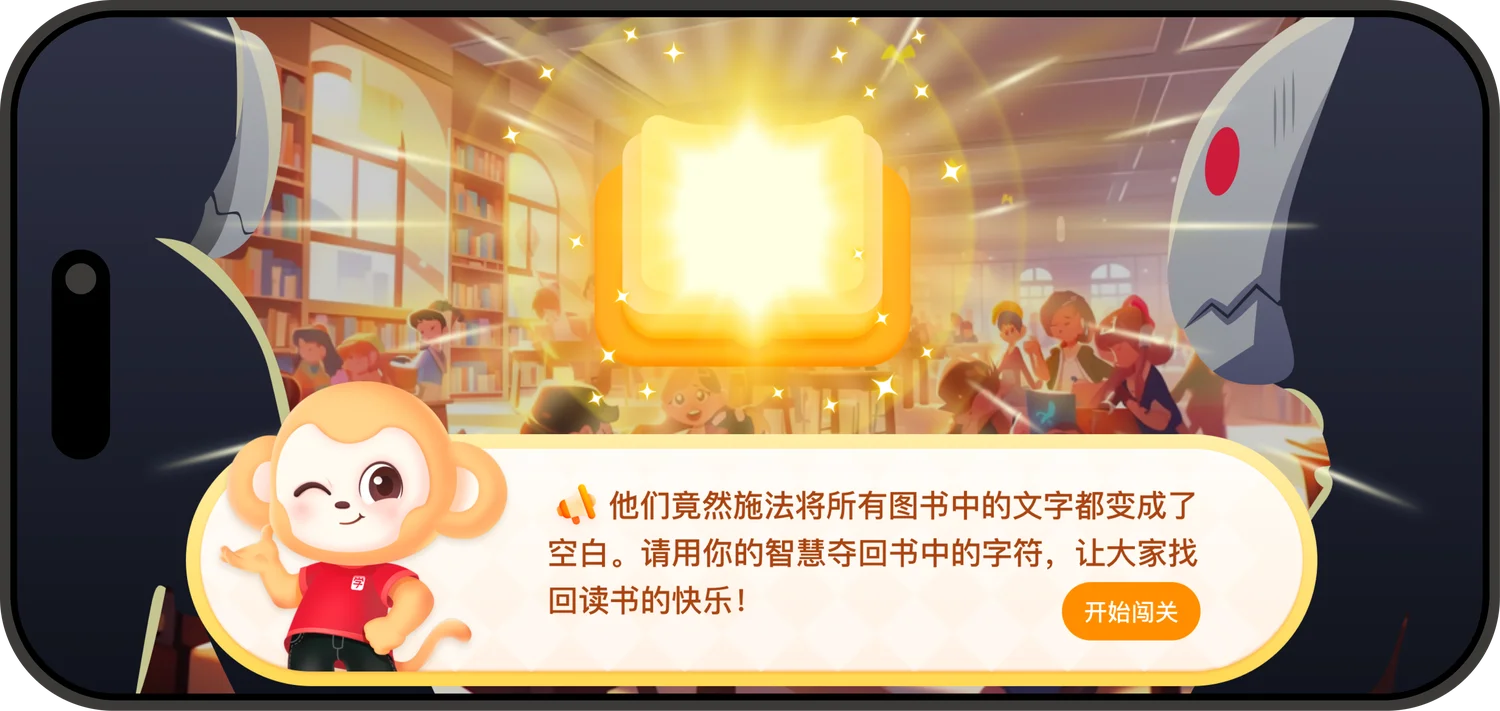
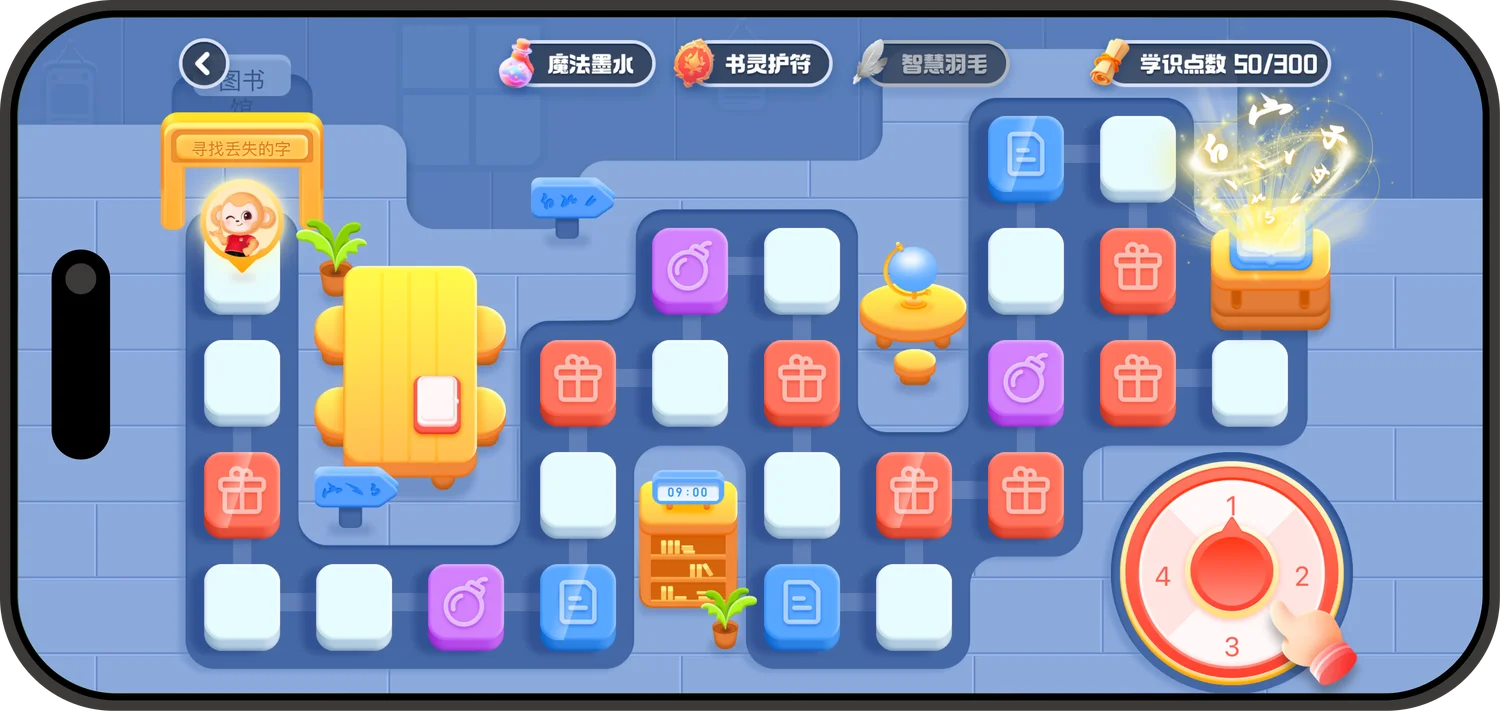
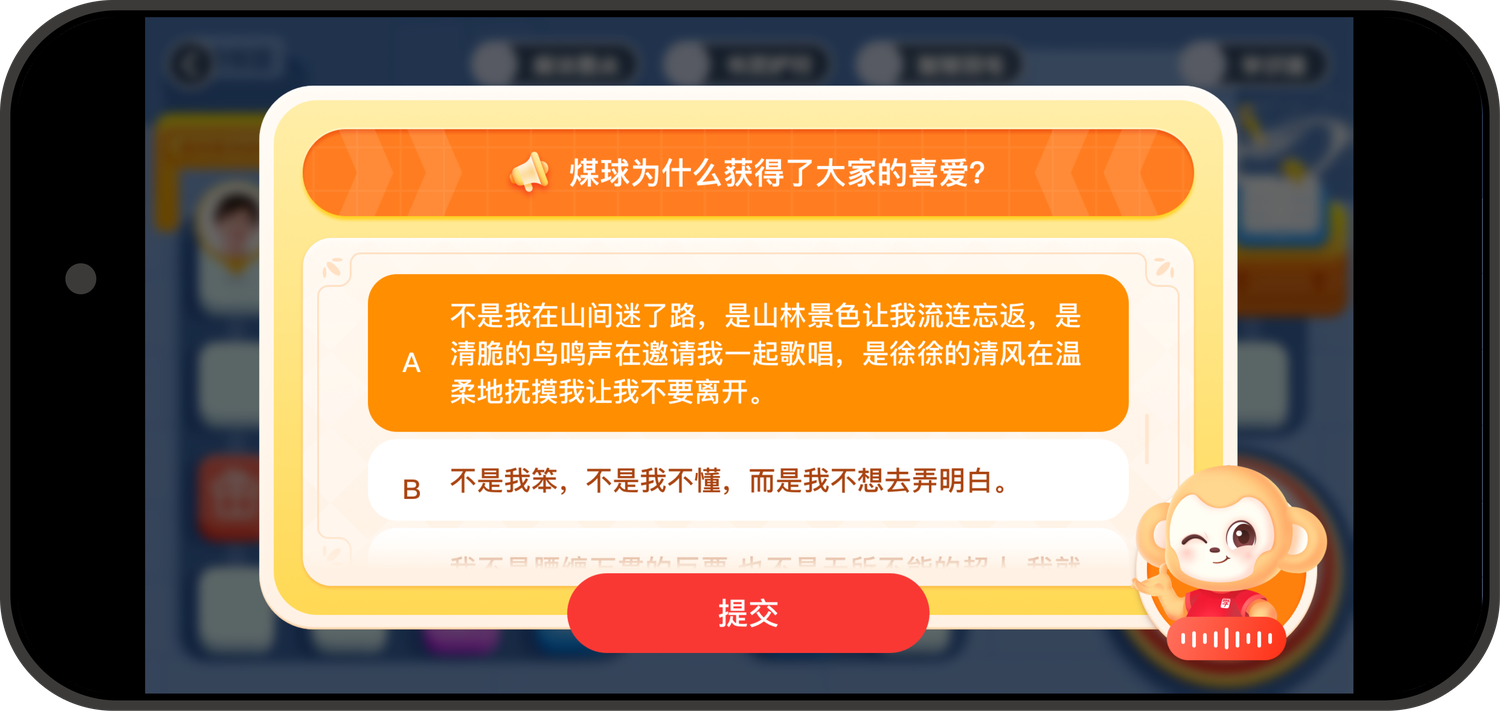
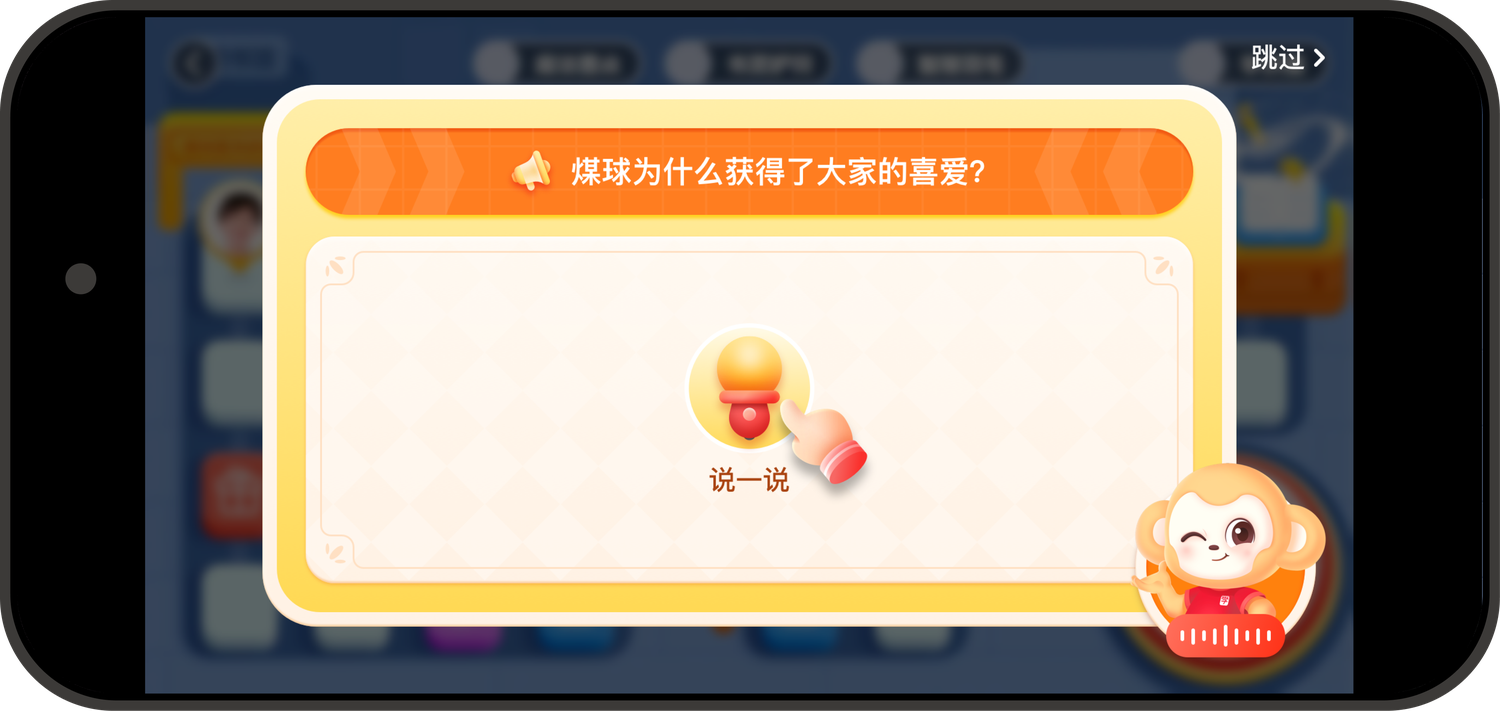
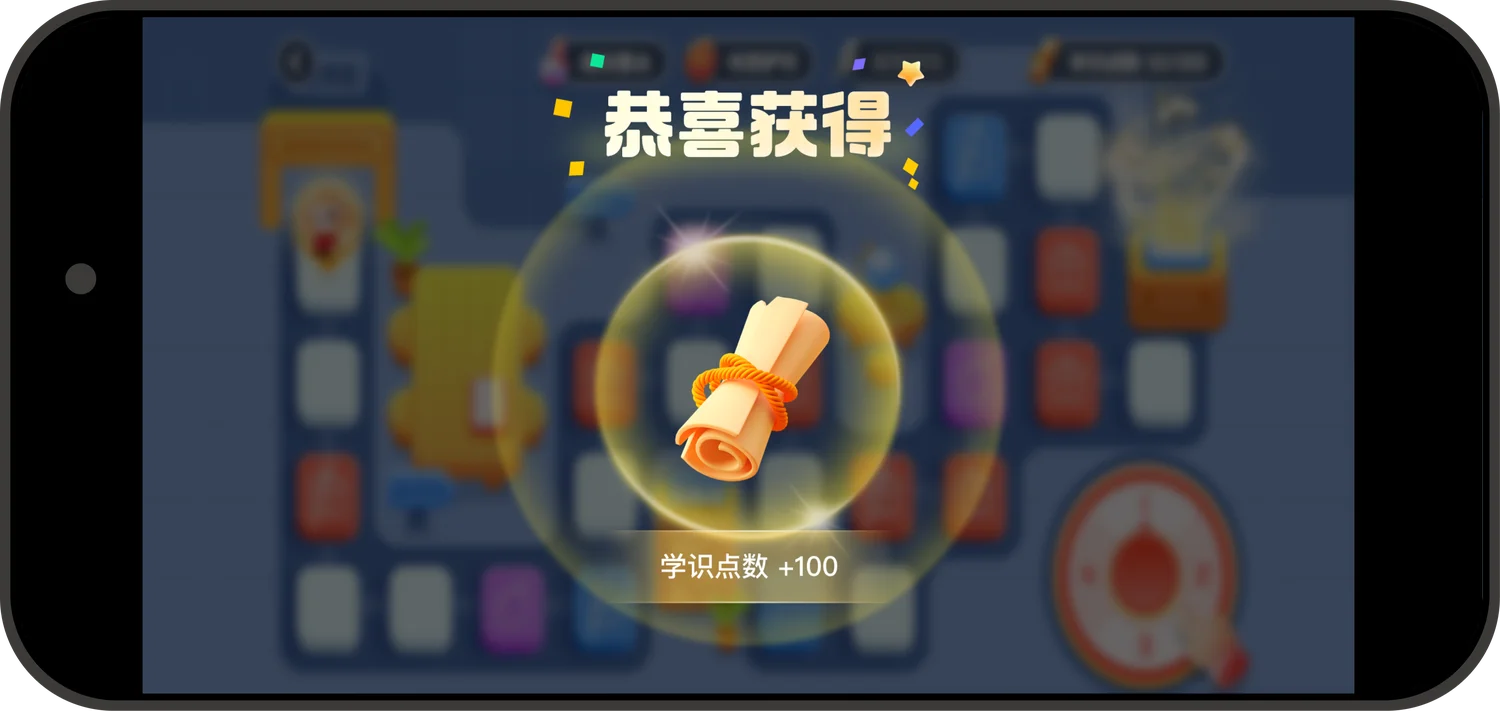
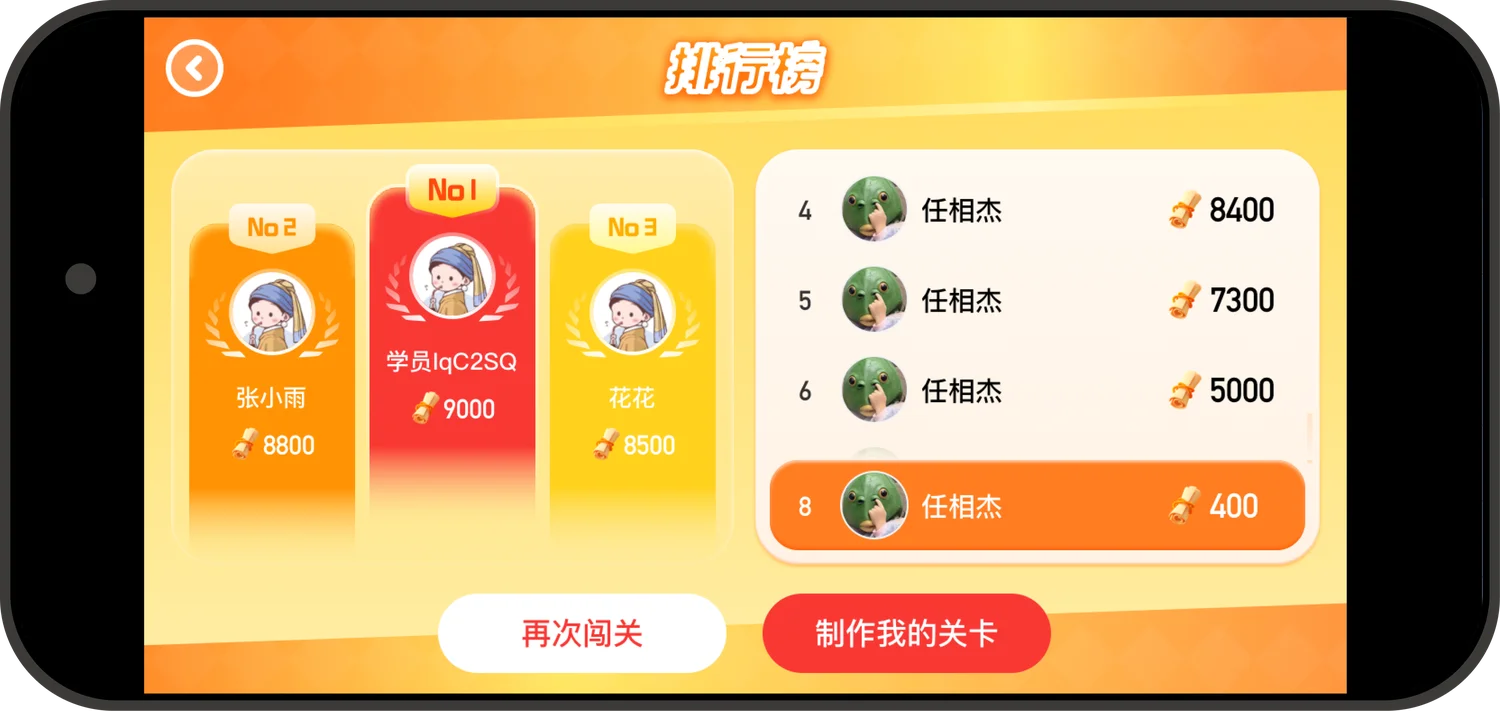
Reading Adventures is a Chinese leveled-reading product for Grade 1–6 students, spanning a full "in-class + after-class" journey. As lead designer on the after-class practice module, my job was to turn tedious homework into a game kids choose to play — lifting task completion while making learning outcomes visible to students and parents.
Results
After launch, both design goals — "lift task completion" and "make learning outcomes visible" — were met.
Overall Participation
Task Completion
Creation Rate
Share Rate
- Completion rose 5 points — students liked the game format, and feedback from the learning-services team was largely positive.
- Participation is tied to business configuration and operational actions (it currently runs alongside the classroom practice module).
Product Overview
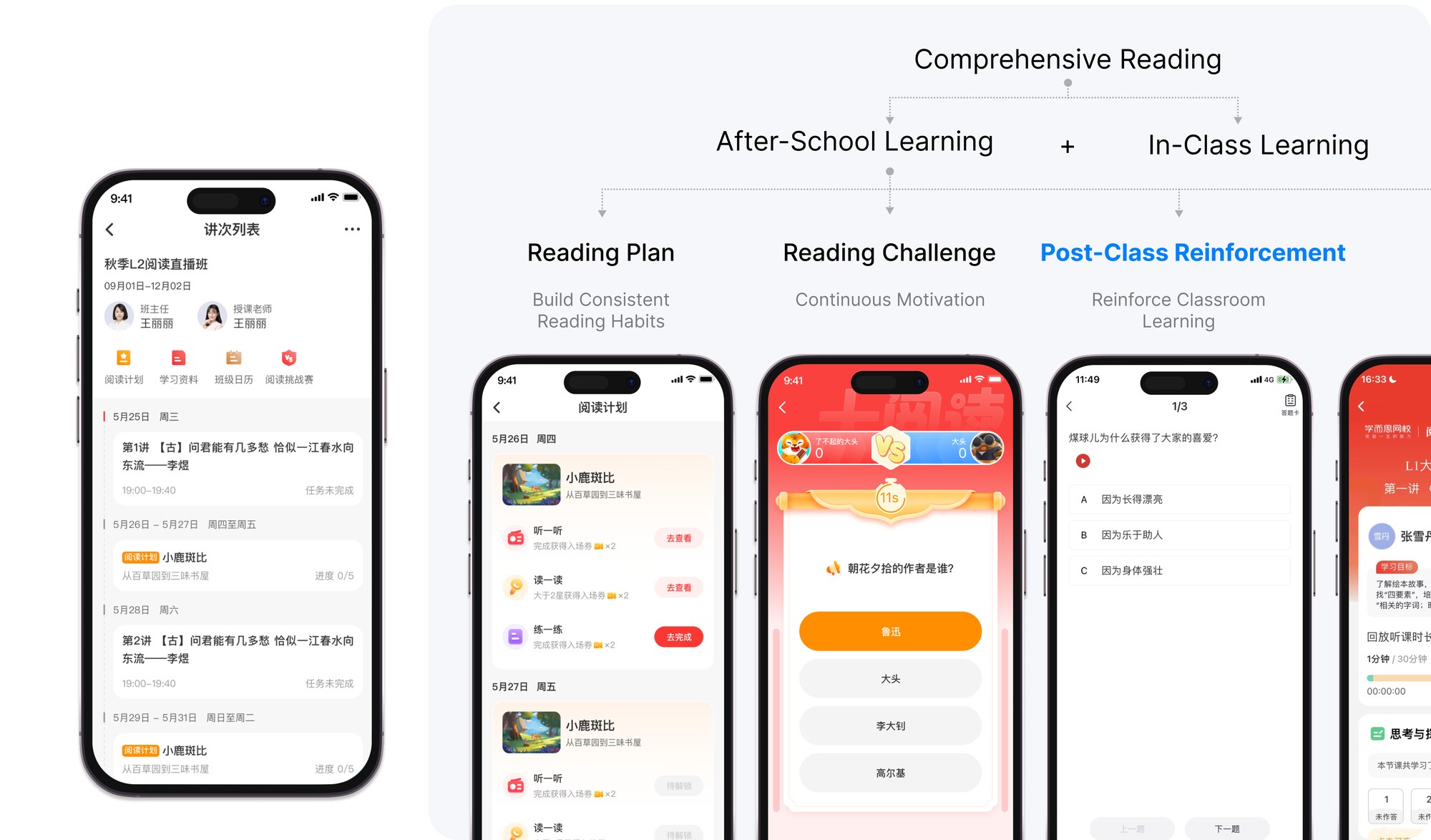
The system has three parts: the Reading Plan builds a daily habit, the Reading Challenge sustains motivation, and After-Class Practice reinforces what was taught. This project focused on the third — where classroom learning becomes lasting ability, and where the metrics most needed work.
Challenge
Data analysis revealed low after-class participation and completion, driven by weak student motivation, limited visibility into learning outcomes for parents, and a fragmented learning experience.
After-Class Practice · Design Goals
I mapped user needs against business needs to reach two design goals: lift task completion and make learning outcomes visible.
Business Needs
Lift task completion
Improve NPS
User Needs
Reinforce lesson content
Make learning fun
Feel the course’s value
Product Goals
Lift task completion
Make outcomes visible
Achieved through design
Design Goals
Lift task completion
Make outcomes visible
Exploring the Solution
My approach was gamification: the existing after-class knowledge content × a delightful experience — motivation and reinforcement in the same loop.
Content
After-class practice knowledge content
Achieved through design
Lift task completion
Make learning outcomes visible
Solution Exploration: Content
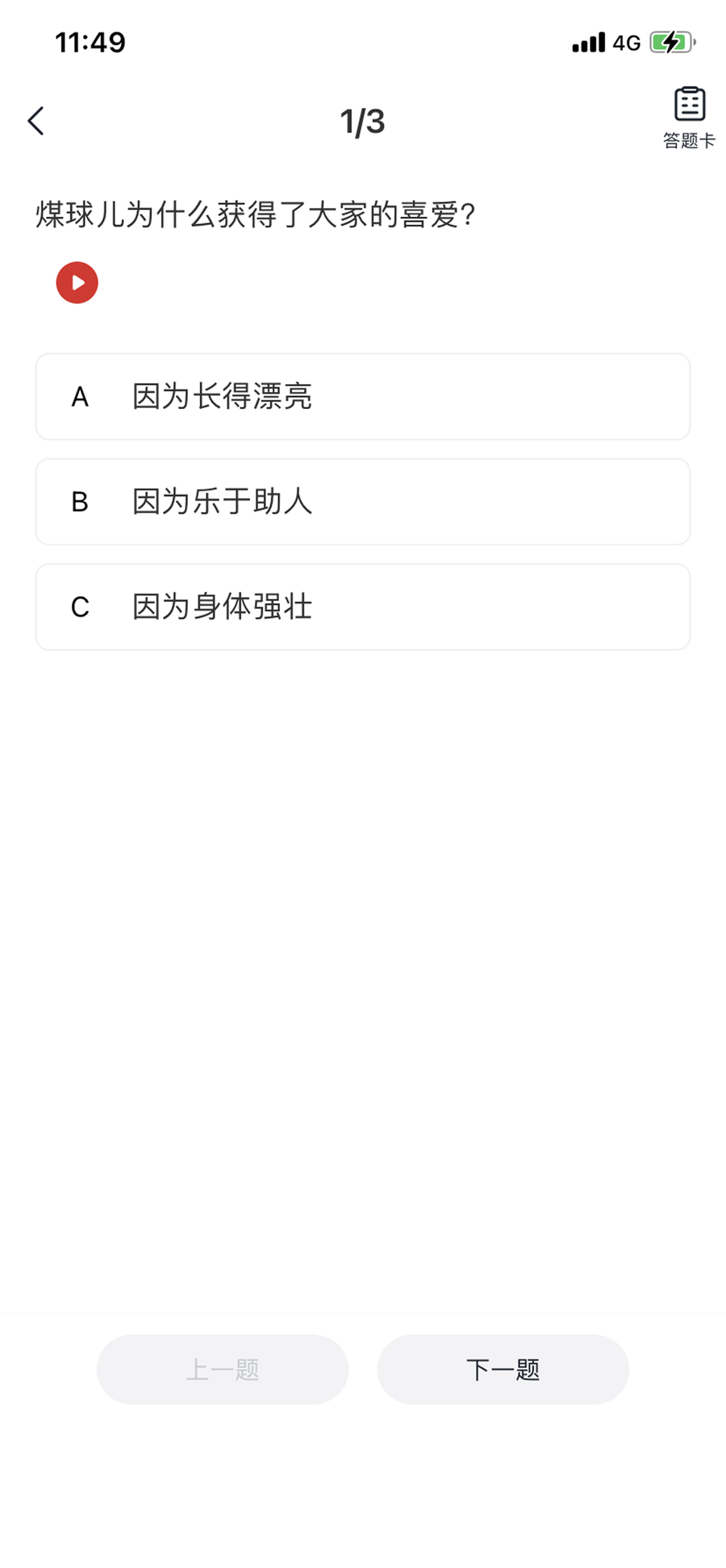
The knowledge content behind the gamified solution comes from the module's existing exercises: it supports both multiple-choice and voice question types, with audio playback to lower the reading barrier for younger students. Game content and learning content are seamlessly linked — every step a child takes in the game reinforces what they learned in class.
Choosing the Format: a Board-Game Map
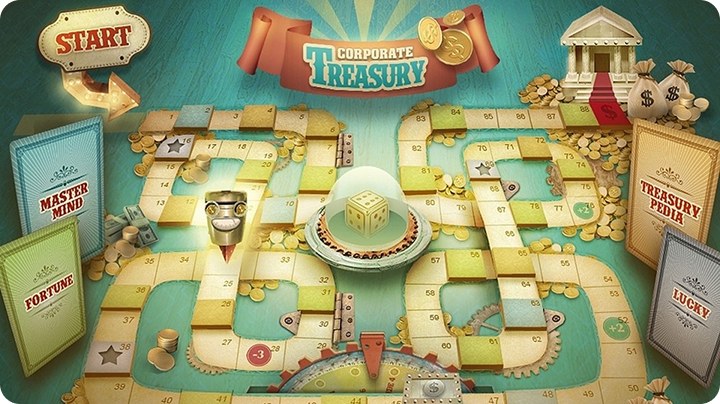
The board-game map won on both dimensions: simple to grasp and rewarding to play, while decoupling cleanly from the curriculum, carrying the existing question types, and making progress visible — the best balance of fun and useful.
Game Experience
Easy to understand · Enjoyable · Rewarding
Learning Content
Decoupled from curriculum · Carries after-class exercises · Progress visible
Design · Flow
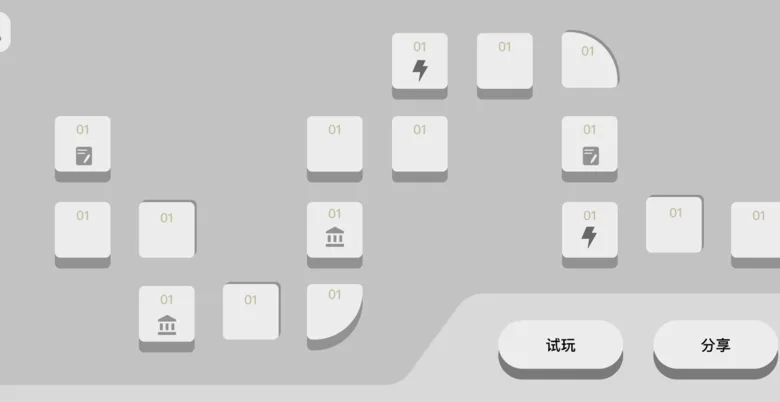
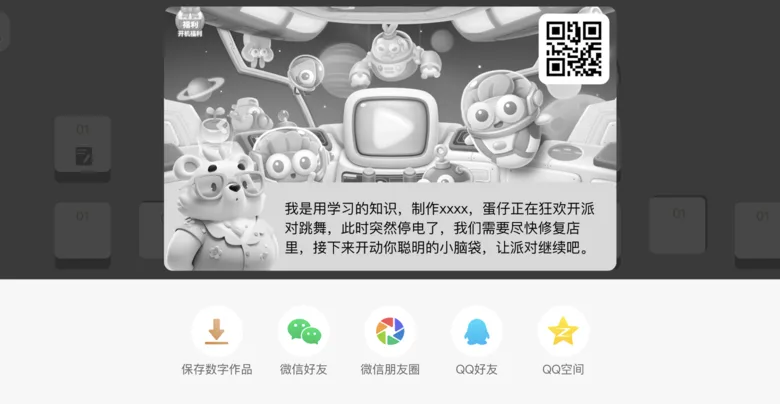
I designed the flow along two dimensions — stage and role — so every step of "play → create" stays controllable and both creator and recipient have a clear path. The create-your-own-level step is what closes the loop: a child builds a level, shares it with peers, who play it and build their own.
By Role
Creator and recipient form a "share–participate" viral loop
By Stage
Two paths — "play" and "create" — covering the full game lifecycle
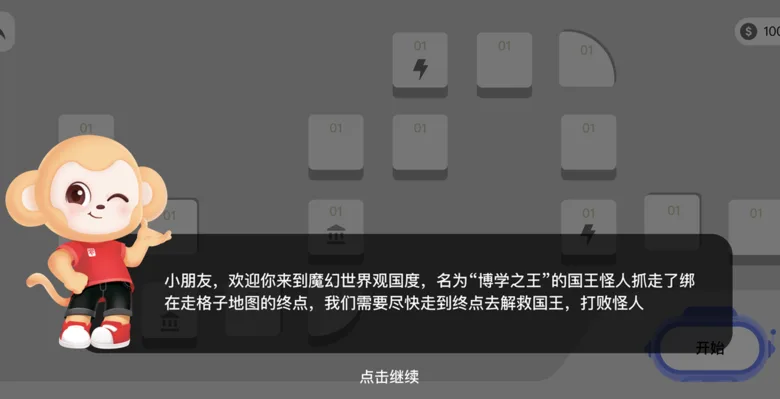
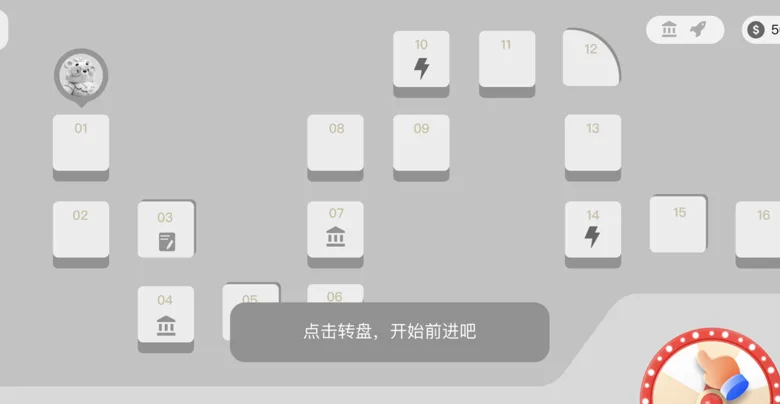
Screen-by-Screen Flow
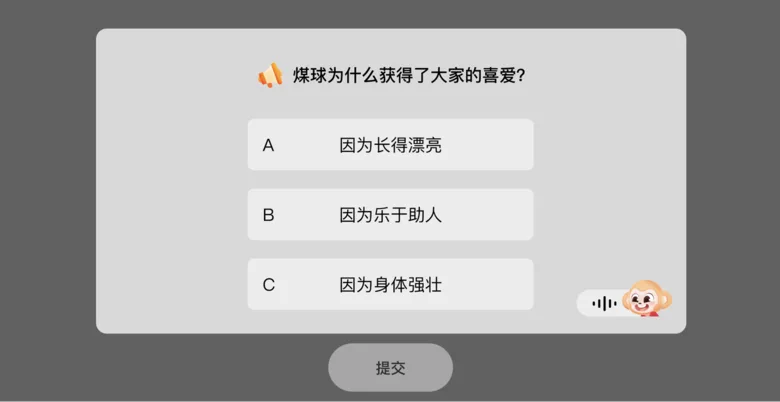
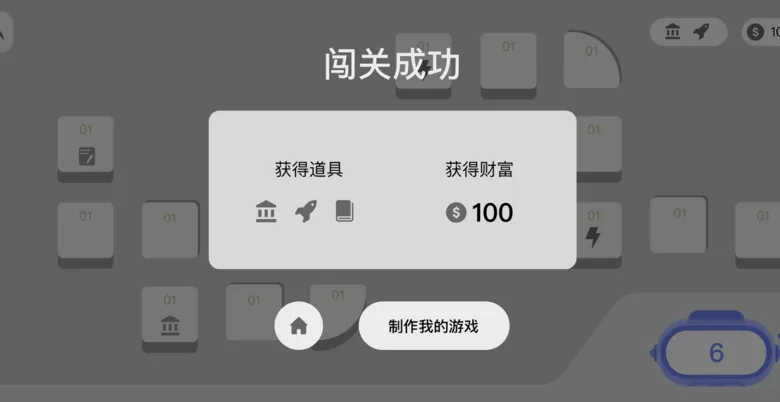
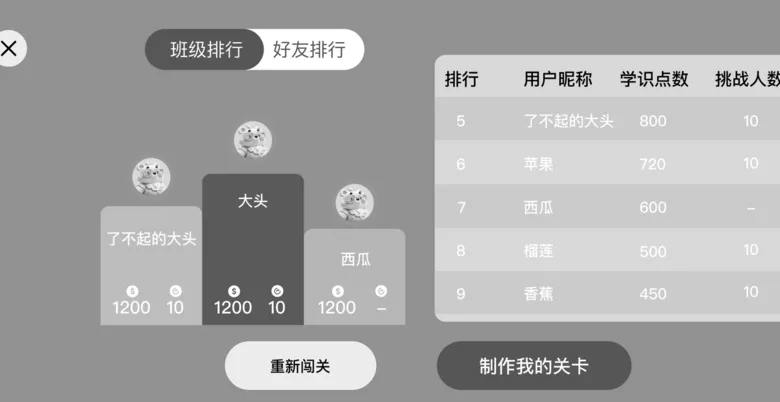
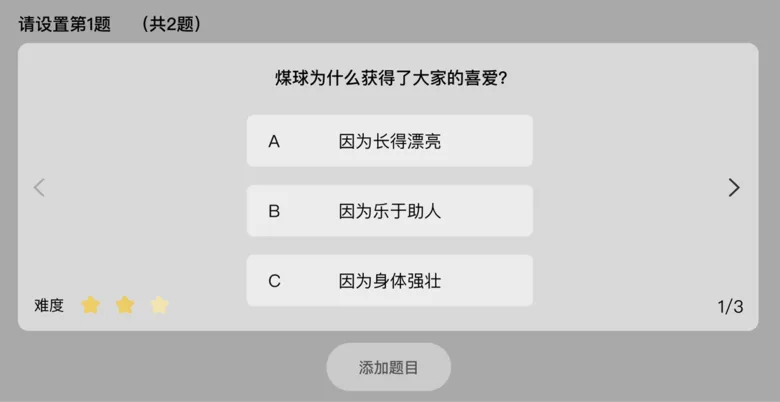
Gamification Design Strategy
I split the gamification strategy into three threads — Content, Experience, and User — mapping to "balancing gamification with knowledge content," "creating a delightful experience," and "sparking positive emotion."
Content
Balance the game with the knowledge content it is built on.
Experience
Create a delightful experience kids want to come back to.
User
Spark positive emotion and a real sense of achievement.
Strategy 1 · Content: Balancing Game and Learning
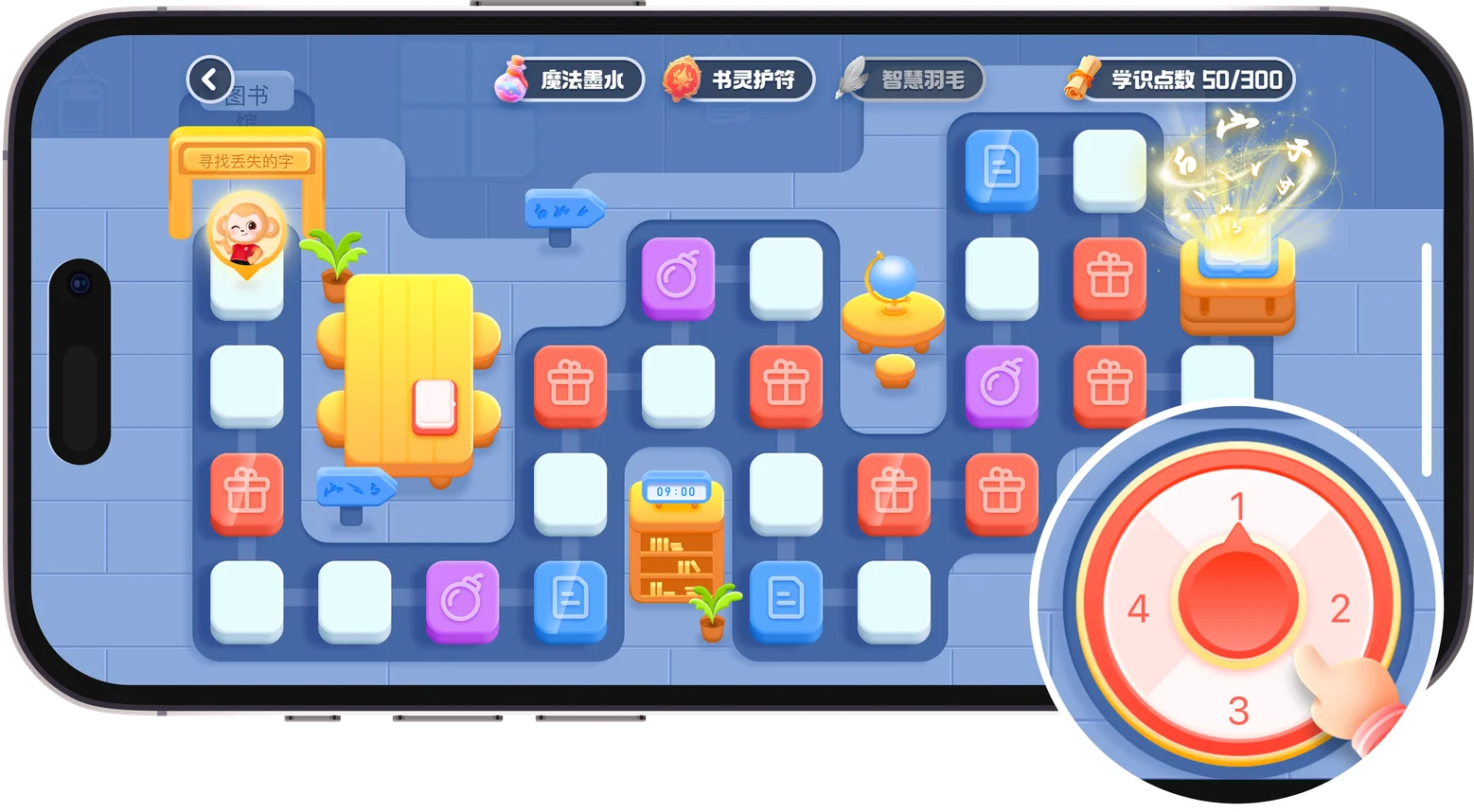
1Tie game content to the learning context
Game scenes and elements should serve the student's learning context — avoiding over-gamification.
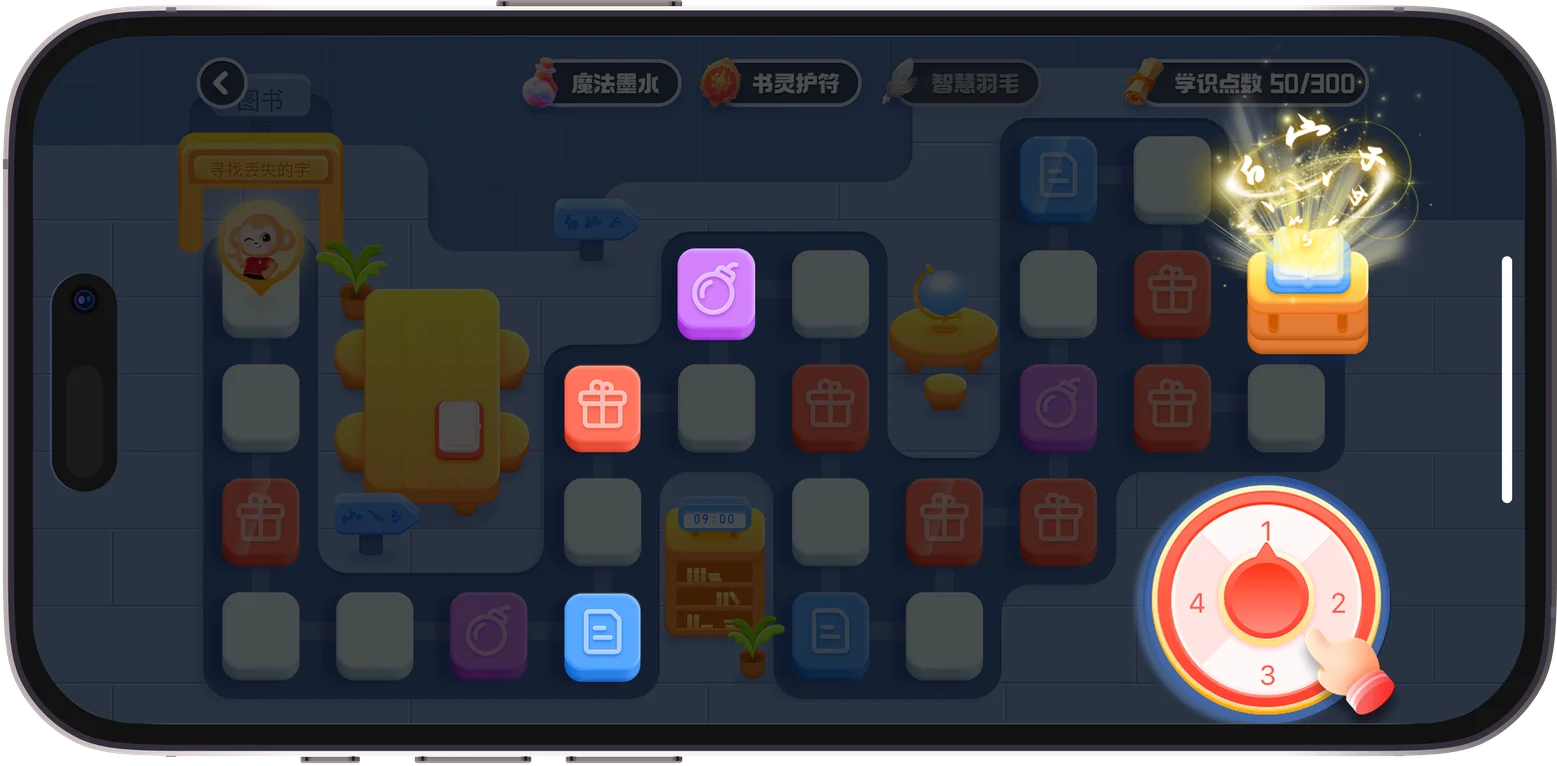
Spinner vs. dice
Number count: matches the number of questions
Gamification: avoids over-gamified elements
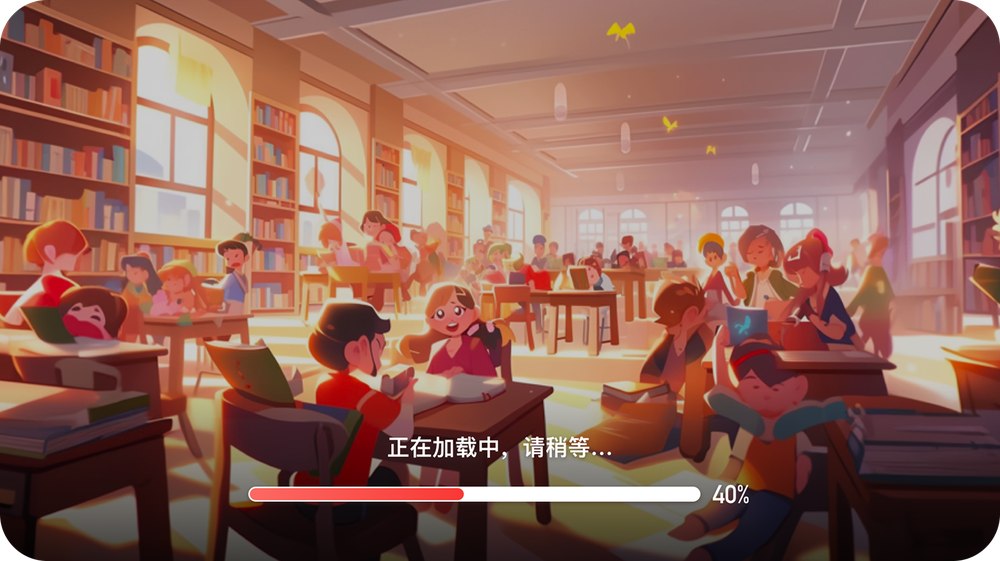
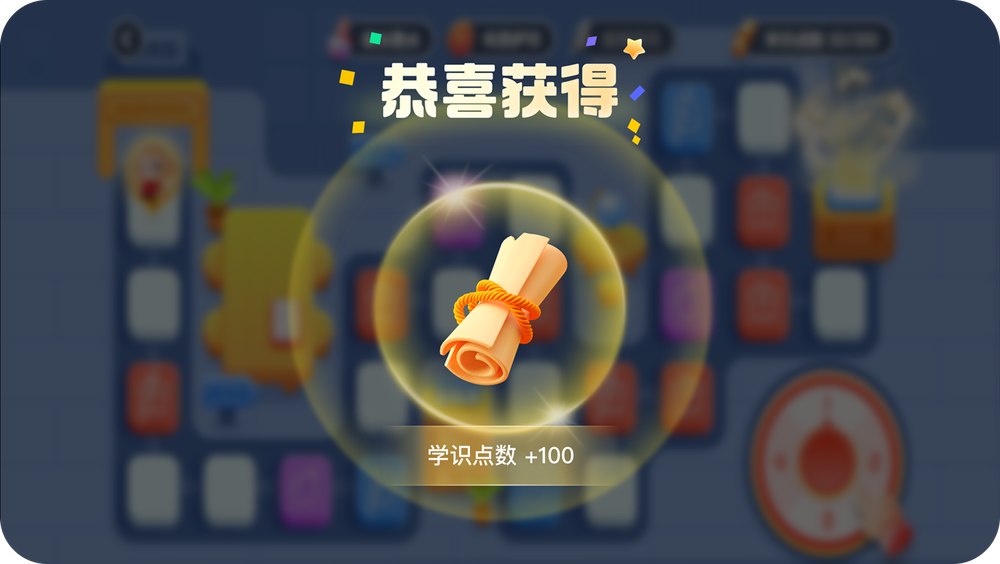
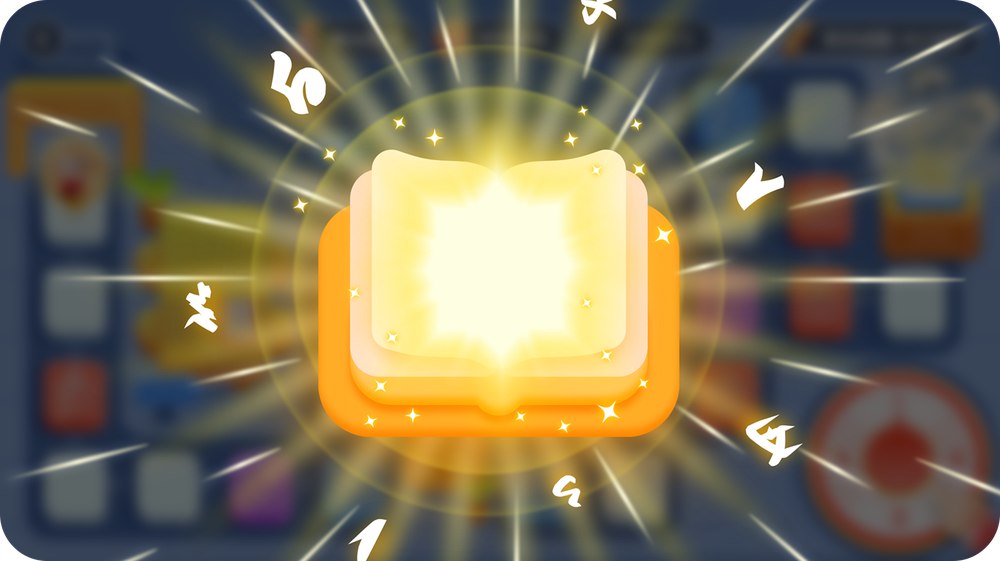
Learning context
Scene transitions, reward feedback, and level completion are all designed around the learning context
2Fit learning content to the game experience
How students interact with the content should match the feel of gameplay.
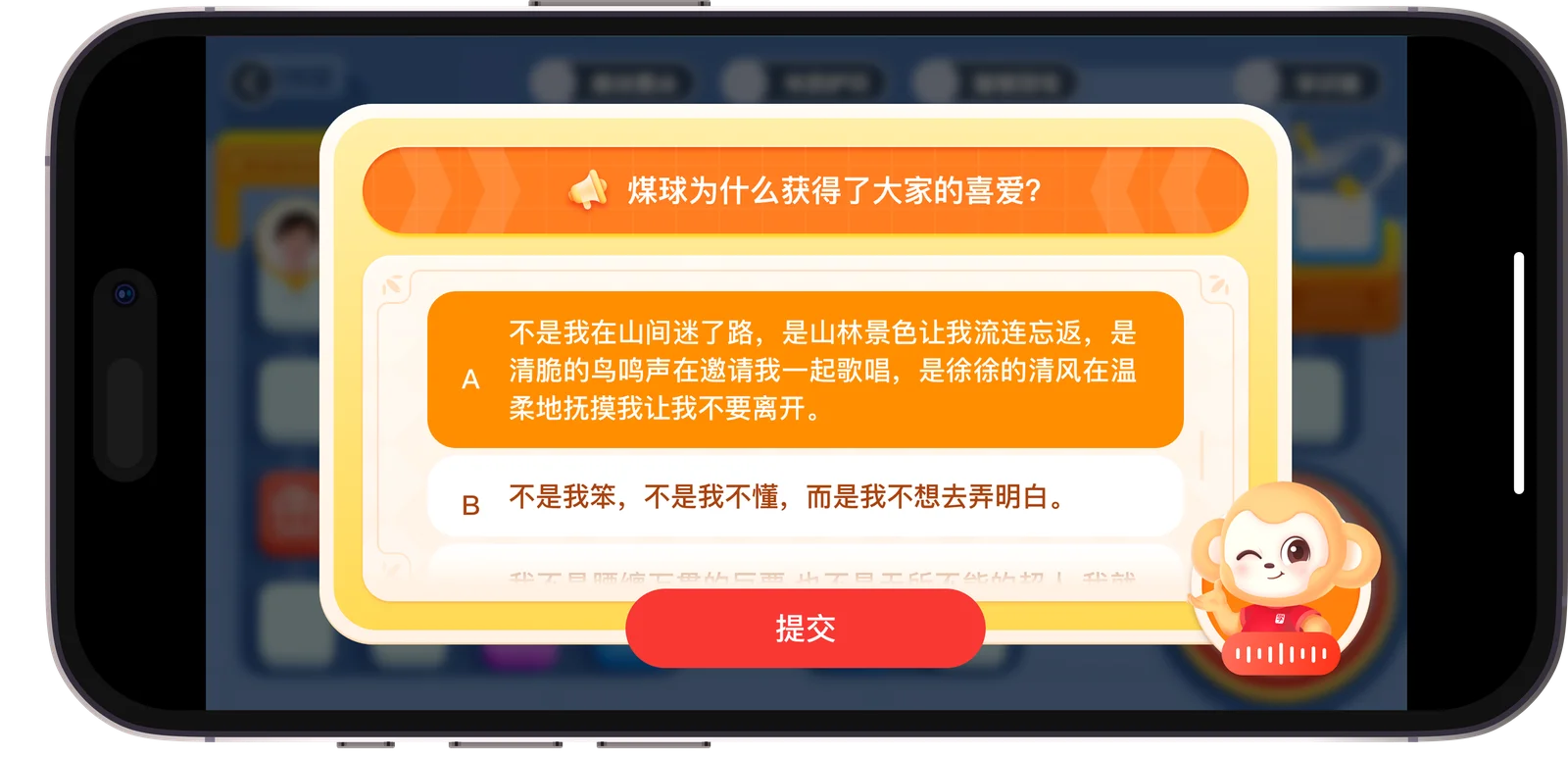
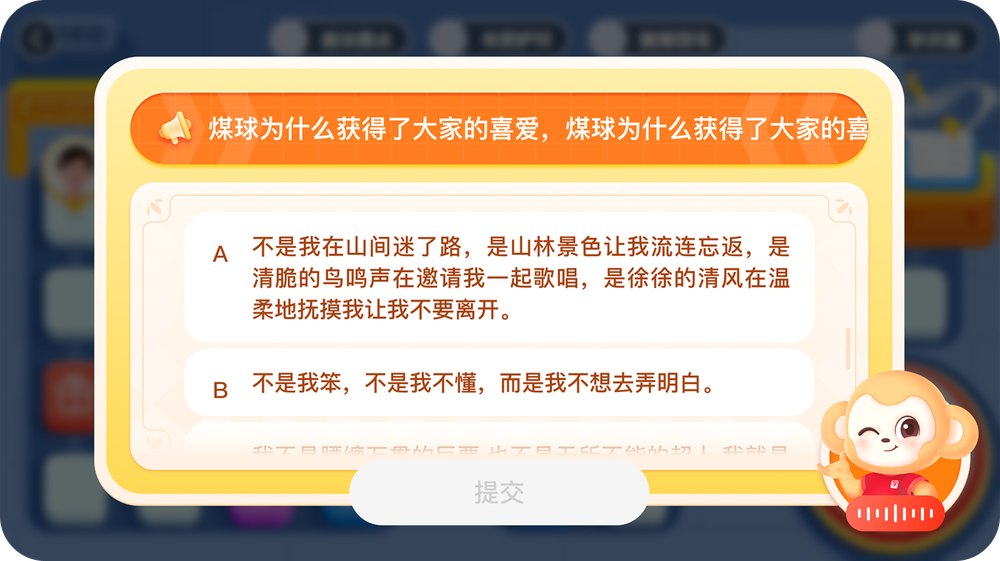
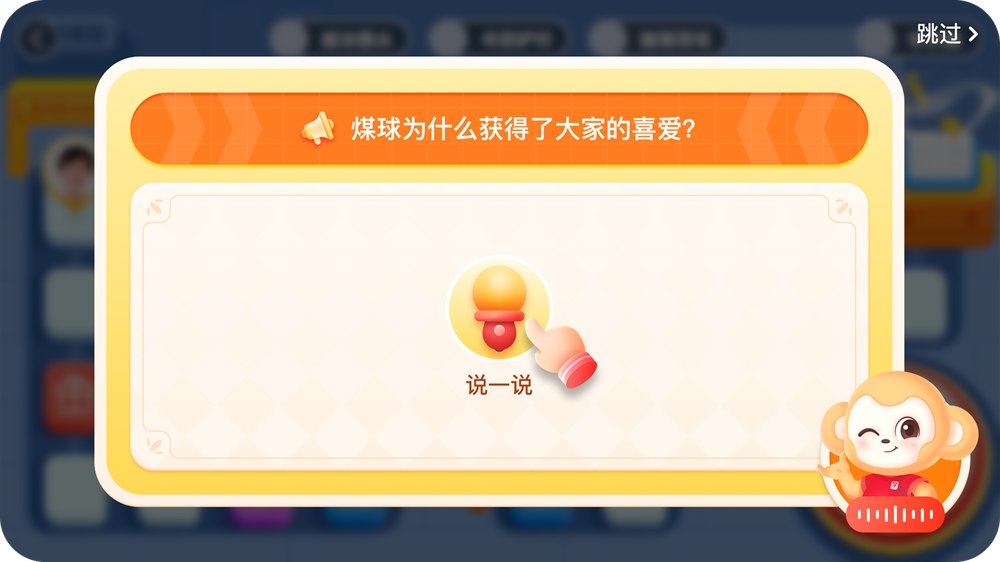
Popup question format
Compatible with existing question types
Modular game content that preserves immersion
Lower the difficulty
Audio playback and "level hints," supporting both multiple-choice and voice questions
Strategy 2 · Experience: Create Delight
Across three fronts — motivation, cognitive load, and instant feedback — I set out to create a delightful gamified learning experience for kids.
"Motivation is the energy source of behavior."
— Edward Deci, psychologist
1Motivation
Build a world, plant Easter eggs, and add randomness — carried by rich animation and sound.
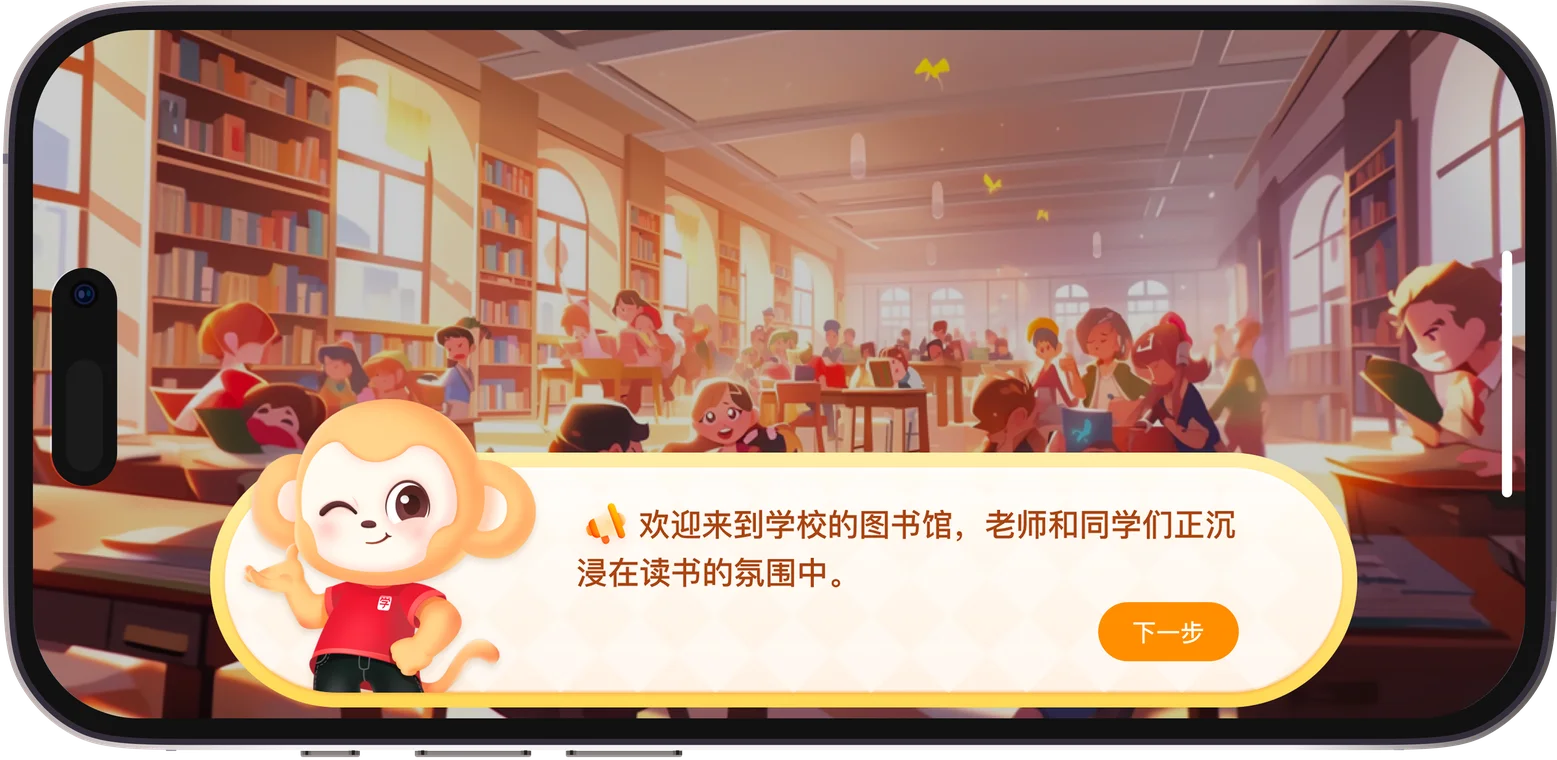
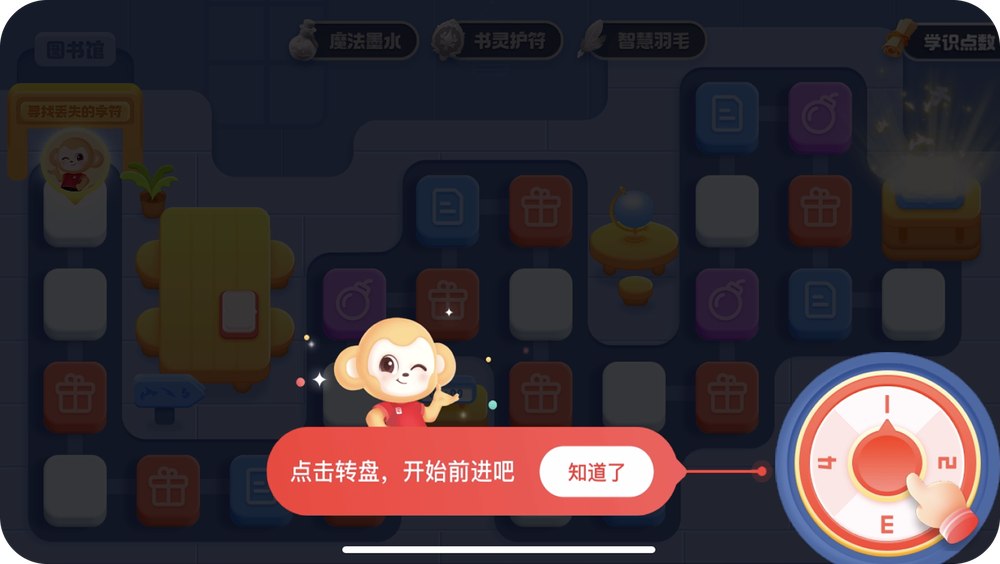
2Cognitive load
Onboarding plus simplified flows and interactions, to flatten the learning curve.
3Feedback
Generous rewards with instant, in-game acknowledgement at every step.
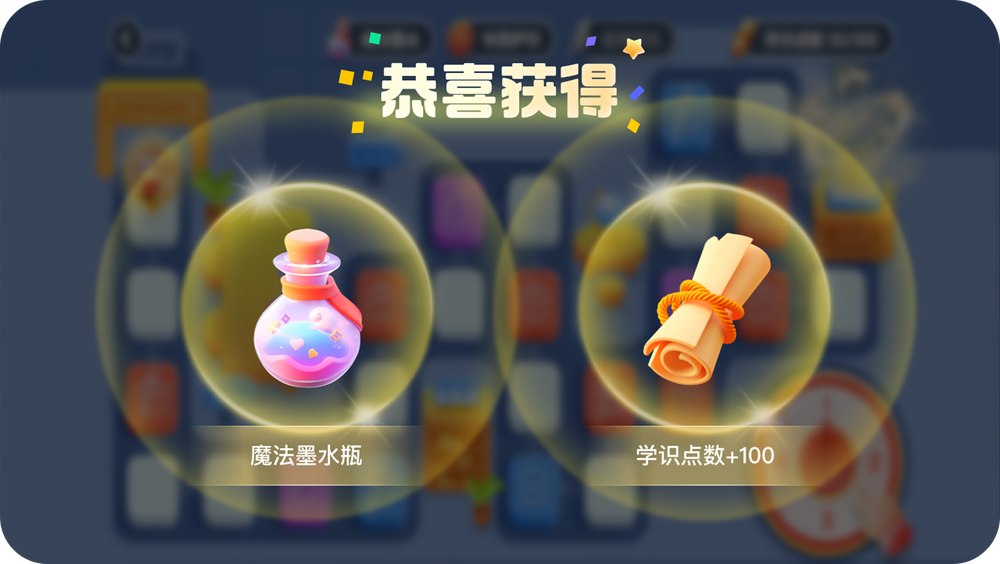
1Boost motivation, spark positive emotion
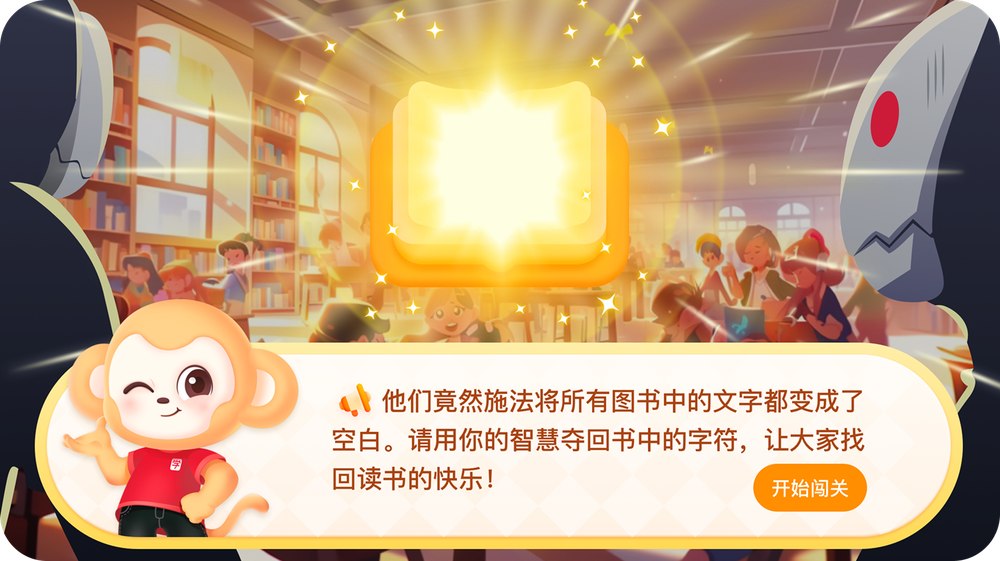
Motivation: build a world, add Easter eggs, and add randomness to the game.
Curiosity
Randomly adds unknown surprises
2Reduce cognitive load
Onboarding to lower the learning curve.

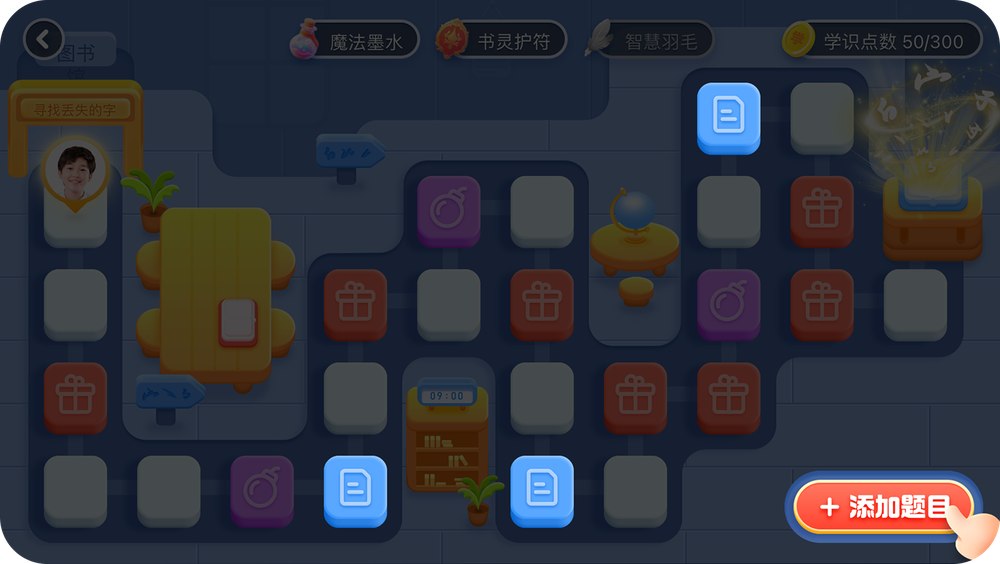
3Simplify the interaction path
Streamlined flows and interactions to lower the effort.
Create game
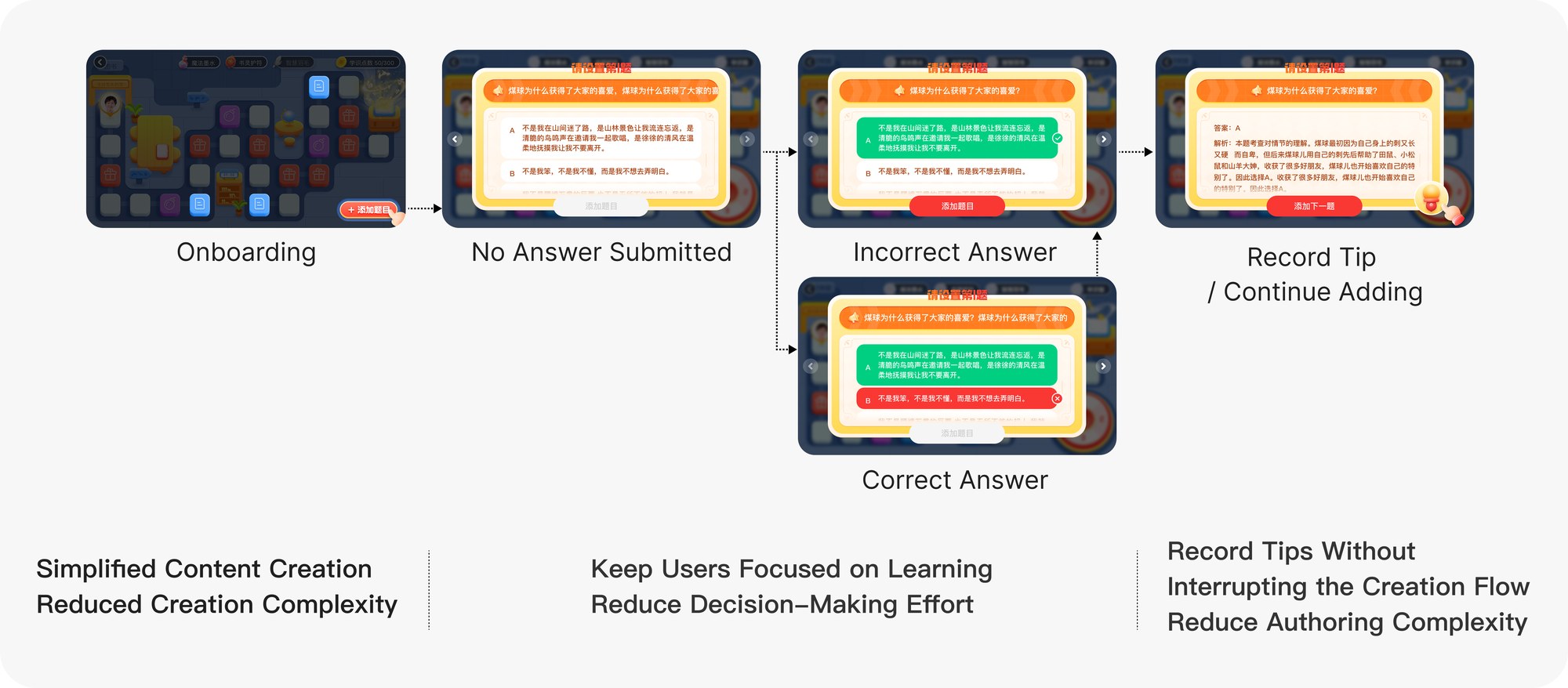
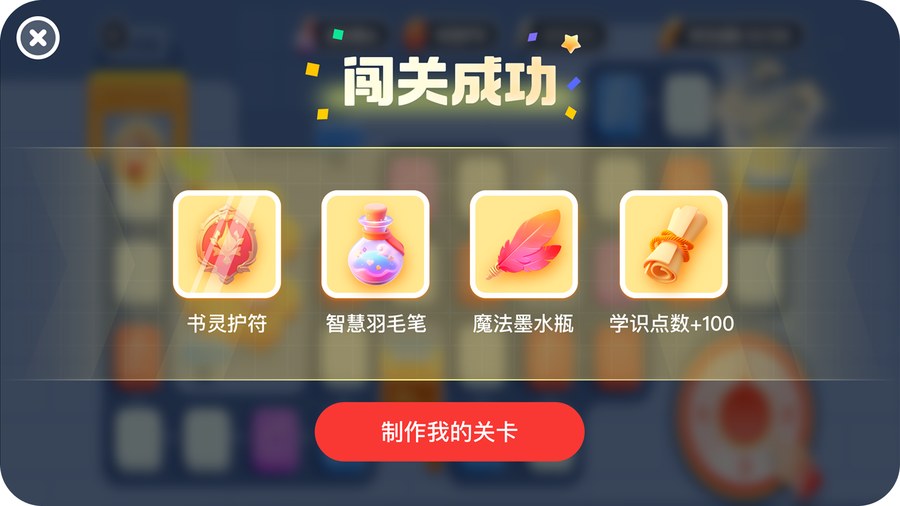
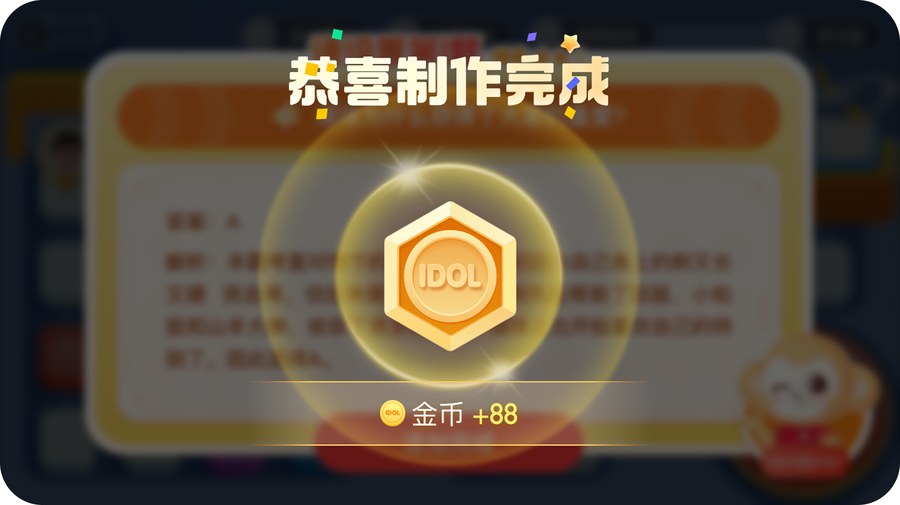
4Reward mechanics with instant in-game feedback
Generous rewards, timely feedback.
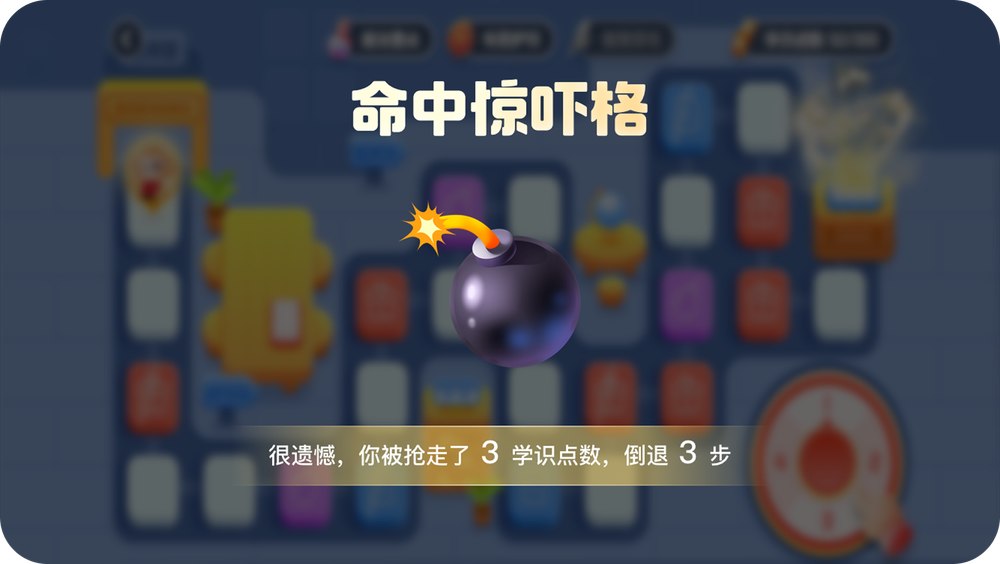
In-game feedback
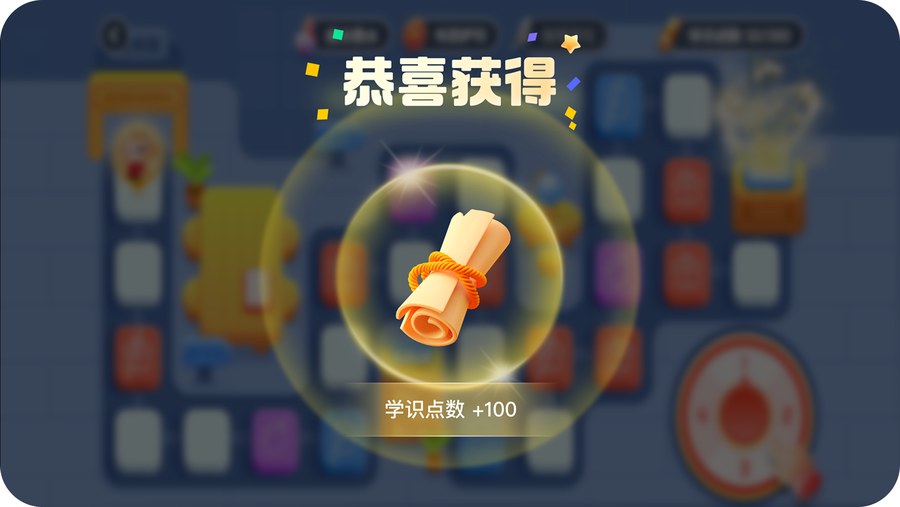
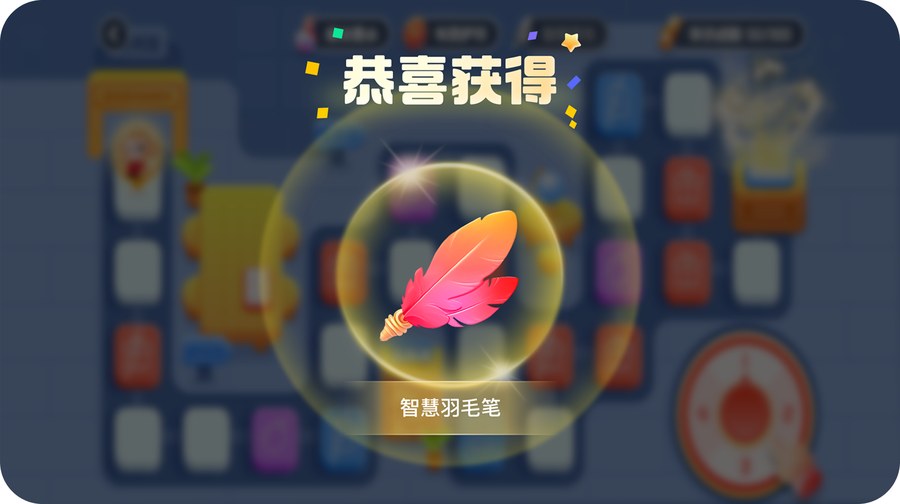
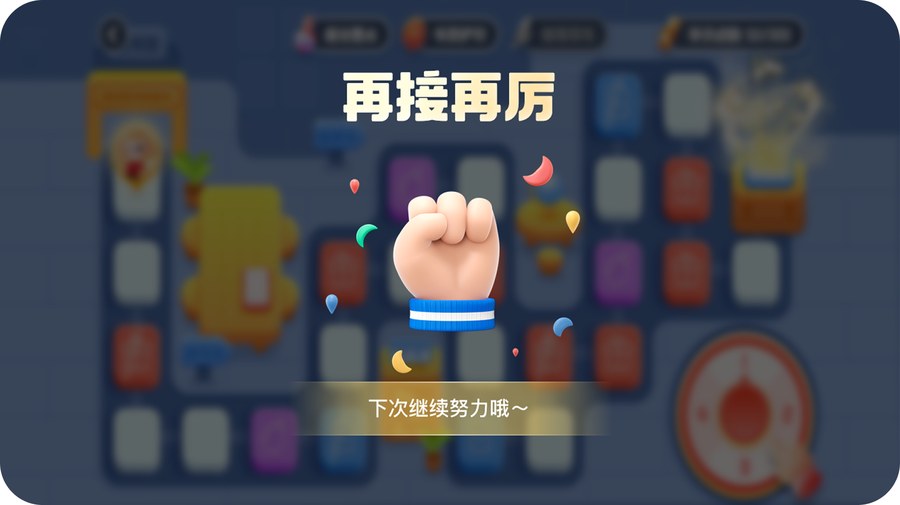
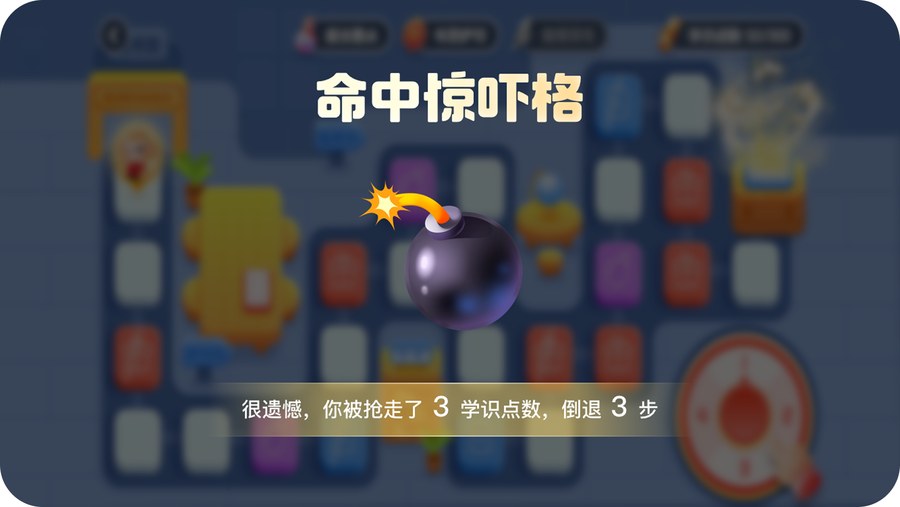
Echoes the world
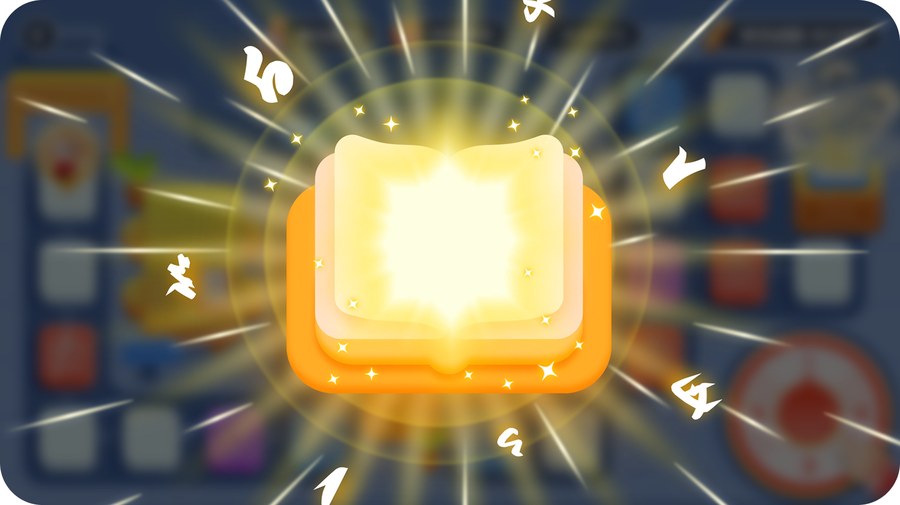
Result feedback
Creation feedback
Timely, generous feedback at every step
keeps students engaged in the game
Strategy 3 · User: Spark Positive Emotion and Achievement
Boost motivation before learning, add fun during, and deliver a sense of achievement after.
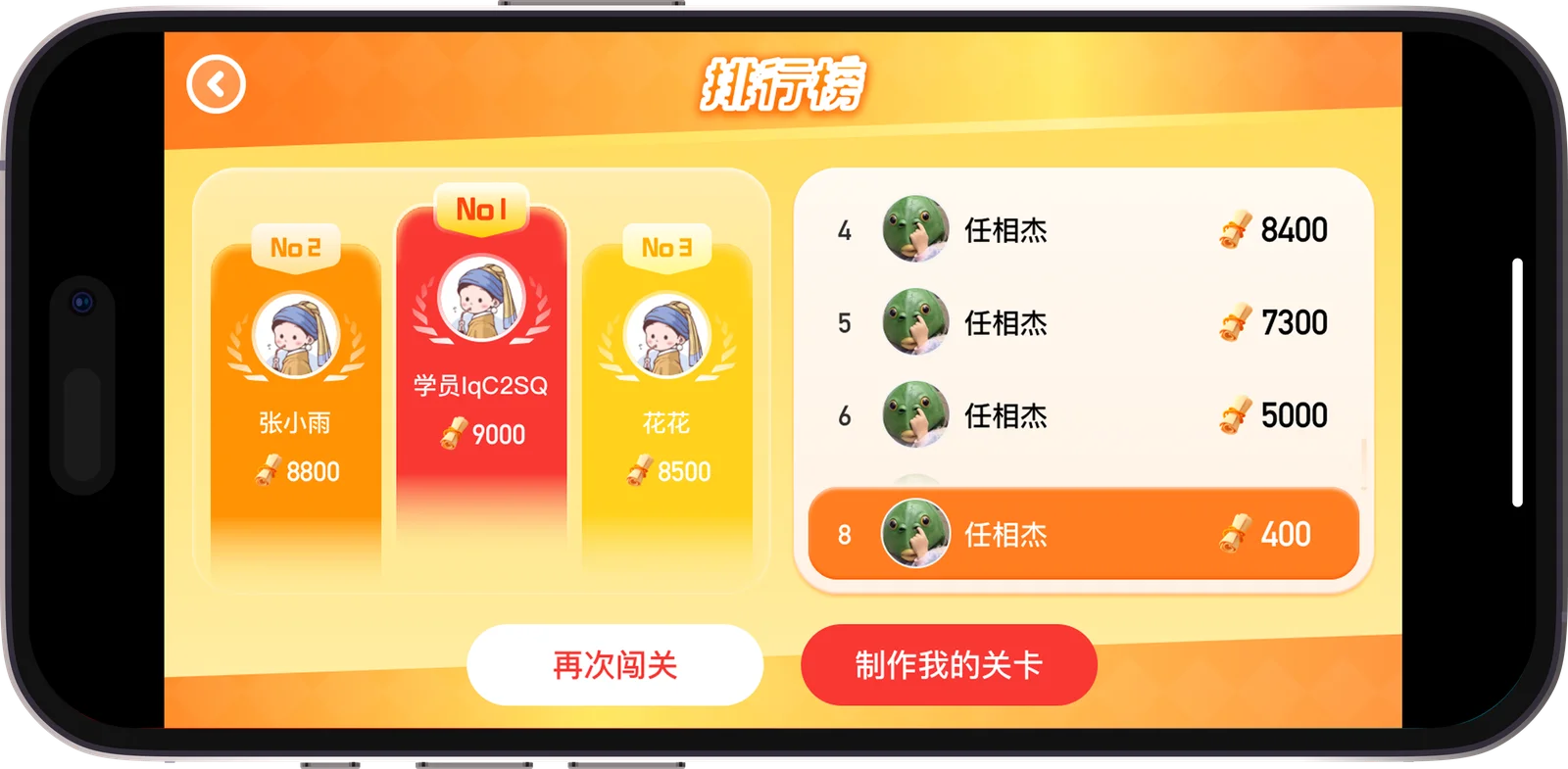
Focus on my achievement
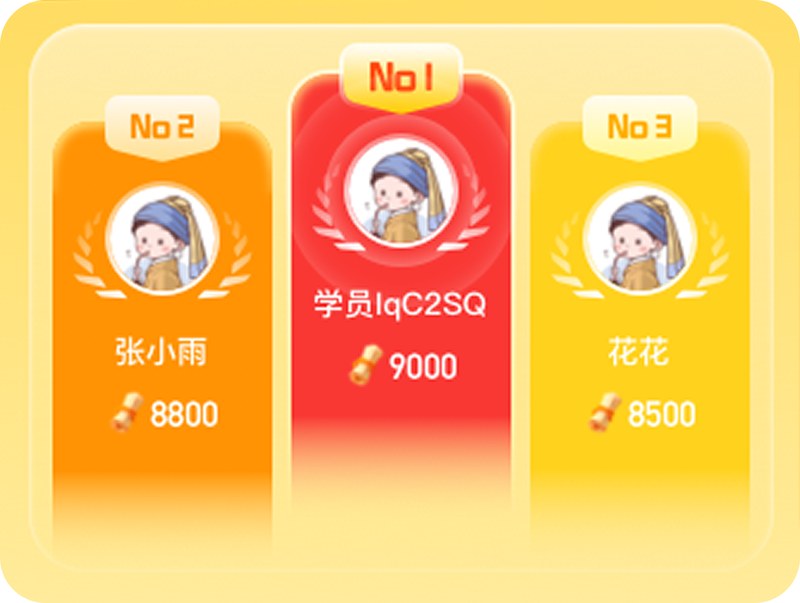
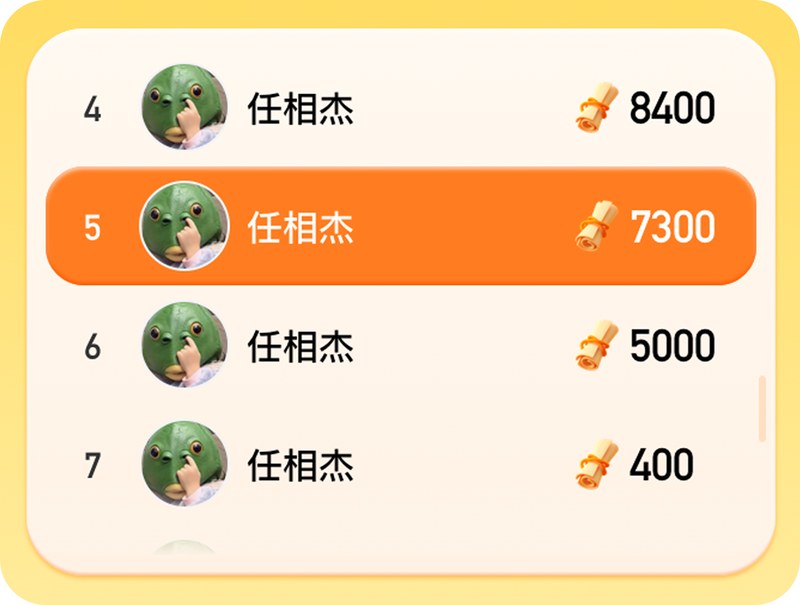
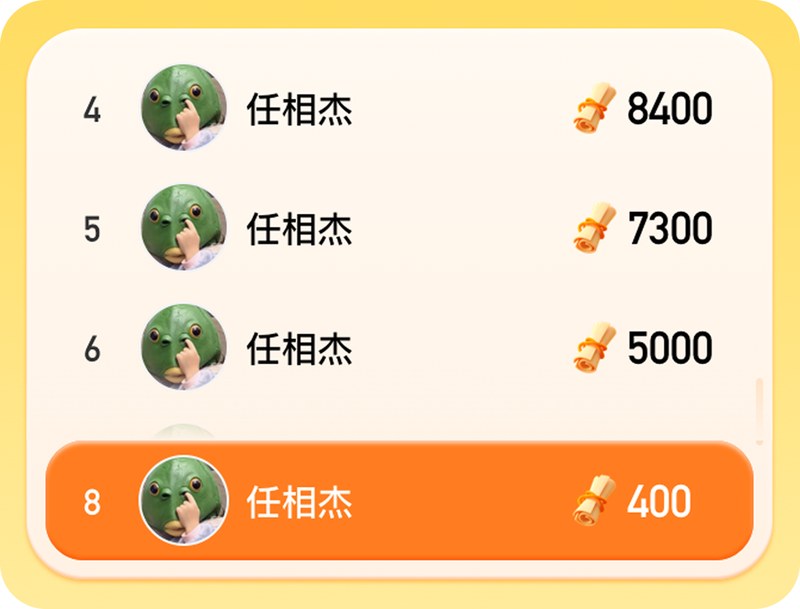
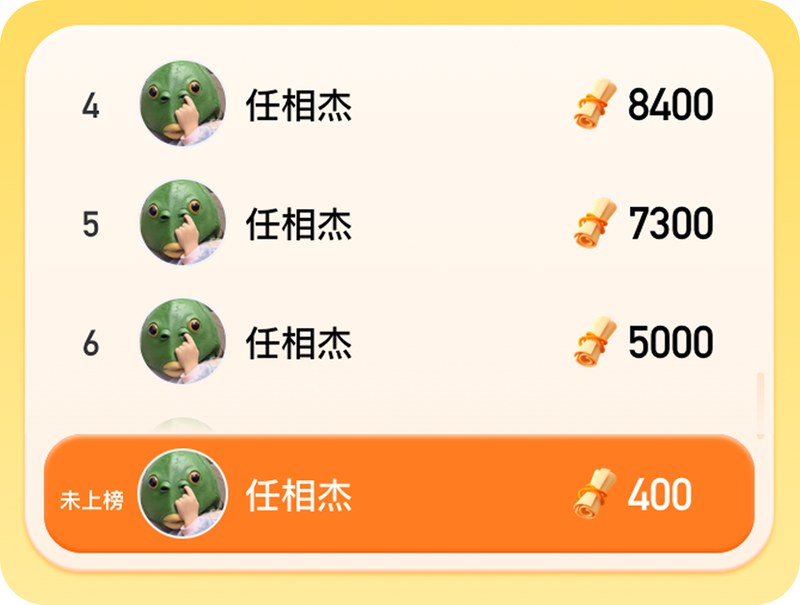
Other · Segmenting the Game Strategy to Drive Product Goals
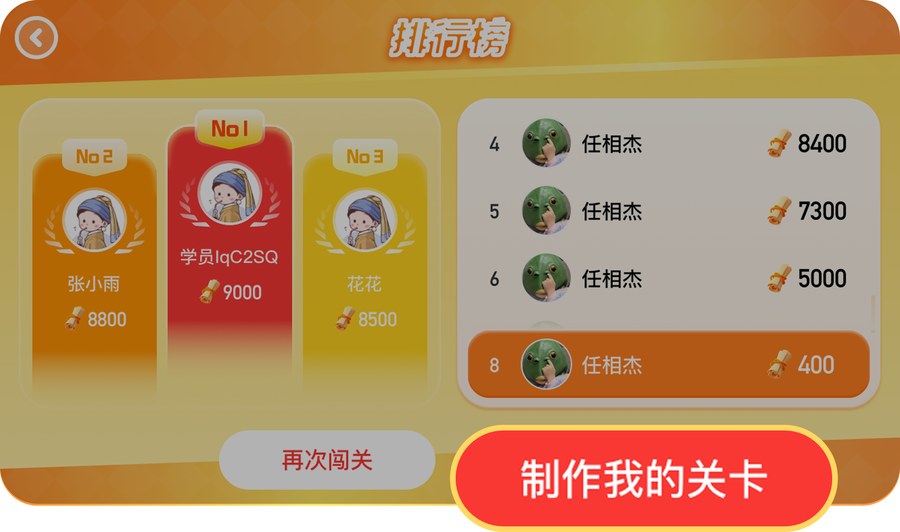
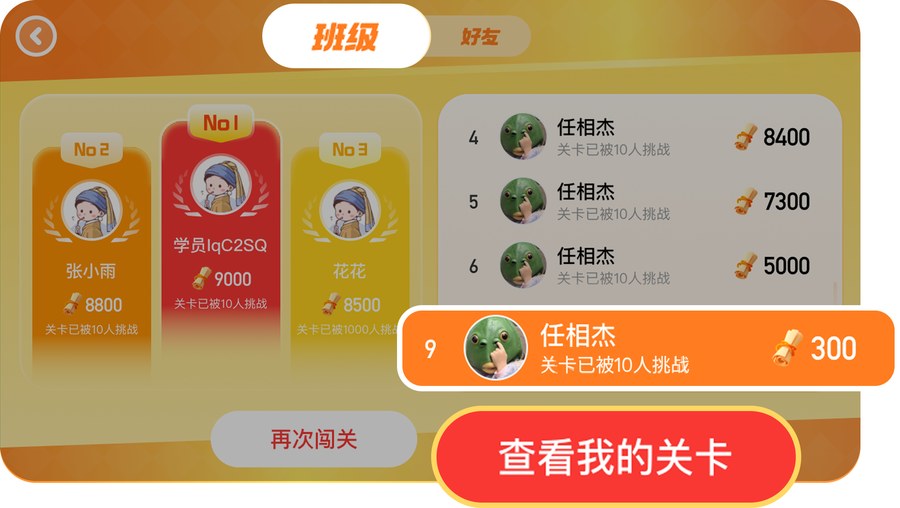
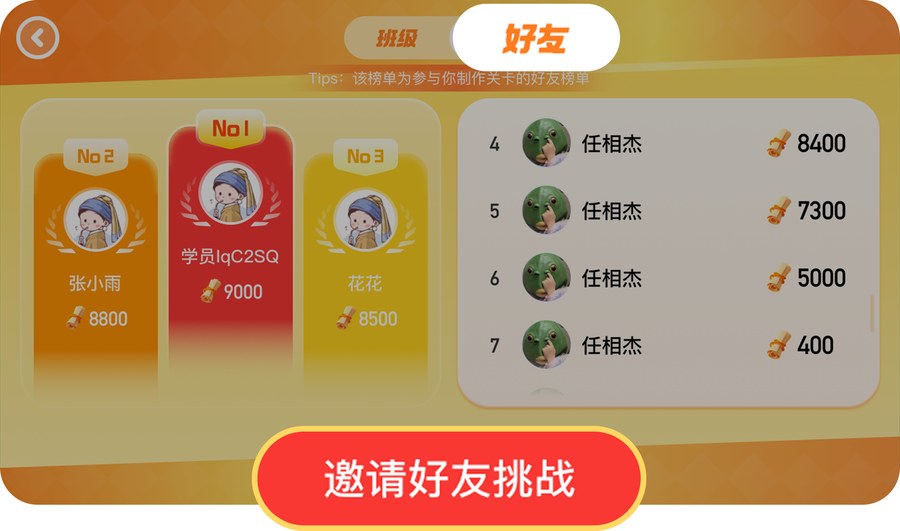
Nudges are staged: prompt creation before a child has built anything, prompt play and sharing once they have. Social cues like "10 people have challenged this level" carry them to the next step.
Stage
Not created
Created
Played
Goal
Guide creation
Guide play & sharing
Guide sharing
Strategy
Gamification Impact: Before / After
Before
Weak motivation
VS
After
Strong motivation
Reflection
Reusability across products / subjects
A complete game world creates a sustainable incentive system — with real potential to be reused across other subjects.
Design
Use different gamification strategies for lower vs. upper elementary grades; front-load the work, and later consider integrating with the "study buddy" feature.
On gamification
Continuously balancing "game form vs. game core" and "learning value vs. fun" is the central challenge of gamified design.